


The Princeton Center for Information Technology Policy (CITP) welcomes our incoming Visiting Faculty, Postdoctoral Associates, and Emerging Scholars for the 2026-27 academic year!
Graduate student bios will be shared on the blog shortly.
2026 CITP Visiting Faculty
Eamon Duede
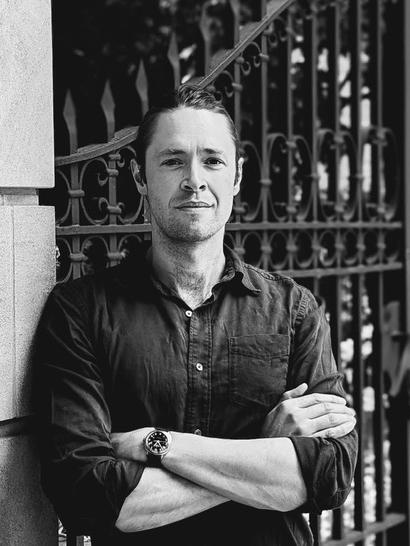
Eamon Duede is assistant professor of philosophy at Purdue University with a joint appointment in the Data Science and Learning division at Argonne National Laboratory. He is an epistemologist of science whose theoretical work in the philosophy of science focuses on the epistemology of emerging technologies, principally artificial intelligence (AI). His empirical work investigates and evaluates roles and capabilities of AI in enhancing the effectiveness and scalability of innovative, data-driven, and algorithm-assisted operational frameworks for scientific discovery. Eamon is also concerned with the dynamics of discovery across disciplines, geographic space, and time. Here, he uses the computational techniques of ‘data science’ to study the flow of knowledge and influence between communities of experts and other audiences, and studies how these can be catalyzed or stymied by institutional and technological factors. Prior to joining Purdue, Eamon was a postdoctoral fellow at Harvard University, affiliated with the Harvard Business School AI Institute and the Embedded EthiCS program in the philosophy and computer science departments. He earned a joint Ph.D. in philosophy and conceptual and historical studies of science from the University of Chicago, where he was also an NSF-funded fellow at the Pritzker School of Molecular Engineering.
Angel Hwang
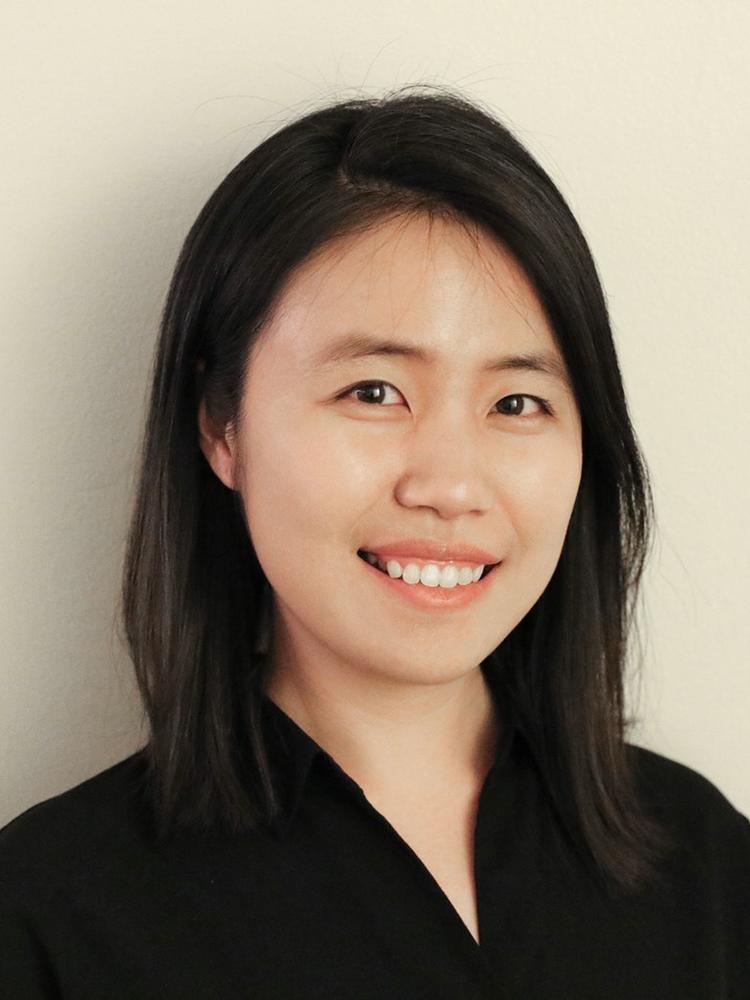
Angel Hsing-Chi Hwang (she/her) is an assistant professor of communication and computer science at University of Southern California and a human-AI interaction (HAII) researcher. Her research explores the impact of artificial intelligence (AI) on social interaction in both professional and personal settings, as well as its downstream influences on people’s mental health, wellbeing, and work practices. Her work aims to inform the design of more responsible and human-centered AI systems for the future of work and social life. Prior to joining USC, Hwang received her Ph.D. in communication at Cornell University with a concentration in human-computer interaction and conducted her postdoctoral training at Cornell Bowers College of Computing and Information Science. Outside of academia, she also has extensive experience researching state-of-the-art AI across several world-class research organizations in the tech industry, including Microsoft Research, Google Research, Sony AI, Adobe, and Accenture Labs.
Helen Nissenbaum, Microsoft Visiting Professor
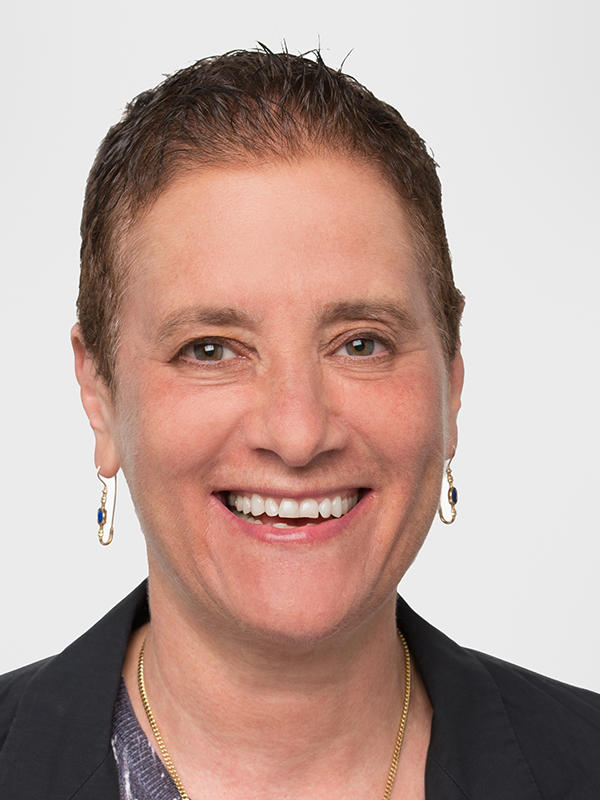
Helen Nissenbaum is the Andrew H. and Ann R. Tisch Professor of information science at Cornell Tech and the Cornell Ann S. Bowers College of Computing and Information Science. She is also the director of the Digital Life Initiative, which was launched in 2017 at Cornell Tech to explore societal perspectives surrounding the development and application of digital technology, focusing on ethics, policy, politics, and quality of life.
Nissenbaum’s research takes an ethical perspective on policy, law, science, and engineering related to information technology, computing, digital media, and data science. Topics have included privacy, trust, accountability, security, and values in technology design. Her books include “Obfuscation: A User’s Guide for Privacy and Protest” with Finn Brunton and “Privacy in Context: Technology, Policy, and the Integrity of Social Life.”
Grants from the NSF, AFOSR, and the U.S. DHHS-ONC have supported her work. She was a recipient of the 2014 Barwise Prize of the American Philosophical Association and an Honorary Doctorate from Leuphana University, Germany. Nissenbaum has contributed to the development of privacy-enhancing software, including TrackMeNot and AdNauseam.
Nissenbaum holds a Ph.D. in philosophy from Stanford University and a B.A. in philosophy and mathematics from the University of the Witwatersrand, South Africa.
2026 CITP Postdoctoral Research Associates
Eve Fleisig
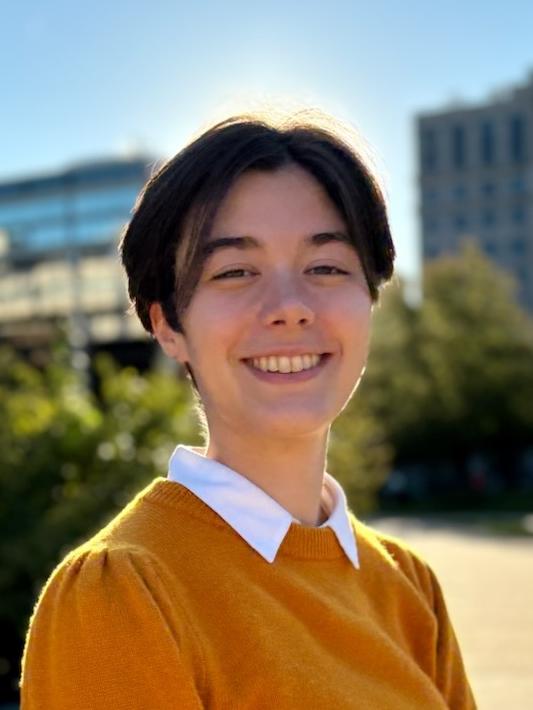
Eve Fleisig is a computer scientist whose work combines natural language processing (NLP) and AI ethics. She develops methods to ensure that language models benefit all users, when those users have diverse perspectives and varied needs. She holds a Ph.D. from Berkeley EECS, where she was advised by Dan Klein in the Berkeley NLP group; previously, she received a B.S.E. in computer science from Princeton University. Her research has been awarded an NSF Graduate Research Fellowship, Berkeley Chancellor’s Fellowship, and Outstanding Paper Awards at EMNLP and NAACL.
Rose Gingrich
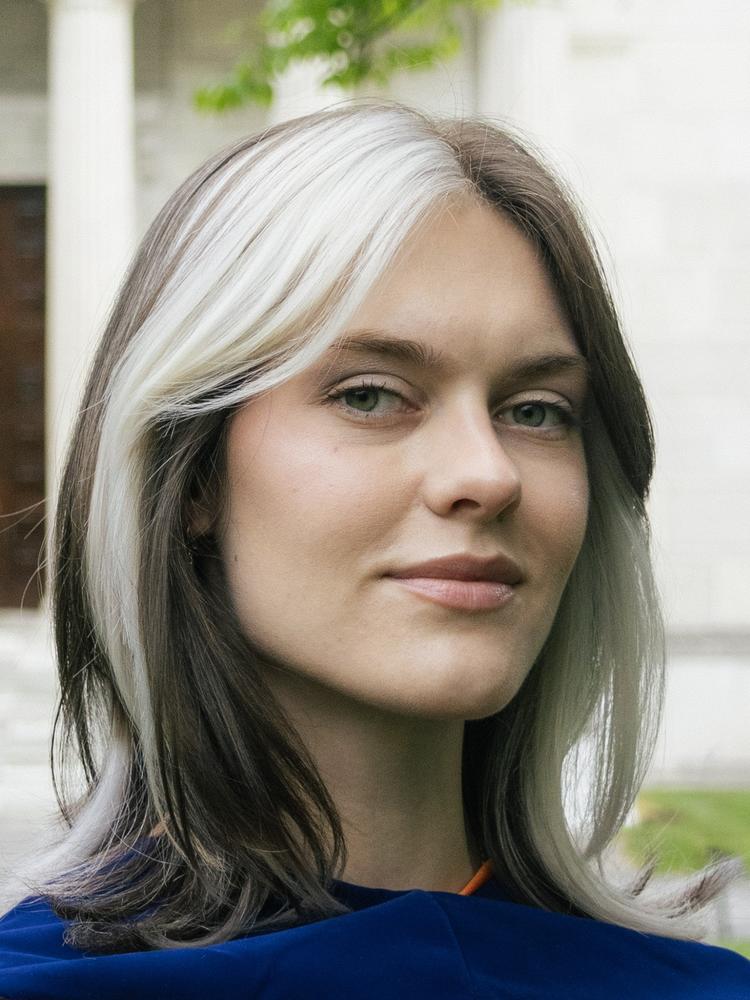
Rose E. Guingrich is a researcher with expertise in the cognitive, relational, and broader societal impacts of human-AI interaction. She is presently working with Arvind Narayanan on building prosocial AI systems. Rose is the founder of Ethicom, an initiative that provides both public digital literacy resources and specialized business and policy consulting for human-centered AI. Her affiliations include All Tech is Human, Young People’s Alliance, and the Institute for Humane Robotics. Rose was an NSF Fellow and earned her joint Ph.D. in psychology and social policy from Princeton University.
Alia ElKattan
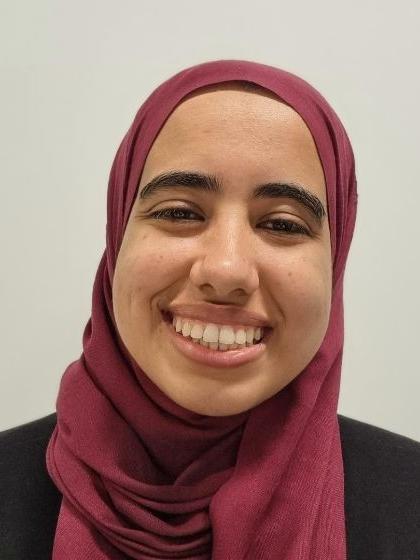
Alia ElKattan is a researcher who examines the sociopolitical implications of online platforms and emerging technologies. She obtained her Ph.D. at NYU Politics, where her research focused on how the design of technology mediates the acquisition of political information, and how to motivate and safeguard responsible, healthy, and critical engagement with emerging technologies such as large language models and conversational agents. She also has a creative technology practice which leverages play and interactive storytelling to both demystify opaque technologies, and expand public imaginaries of alternative technological futures. ElKattan is a grantee of the Responsible Technology Youth Power Fund and a two-time winner of Mozilla Foundation’s Creative Media Award for work on AI bias, data transparency, user choice in algorithmic feeds. Her work has been published in venues such as Sociological Science, FAccT, the Journal for Quantitative Description, and and been presented in media festivals including the International Documentary Festival Amsterdam (IDFA) in the Netherlands, Sheffield DocFest in the UK, and March On Festival in Washington, DC, among others. When not writing code or papers, ElKattan can most often be found playing football (soccer), skateboarding, or making playlists.
Seyi Olojo
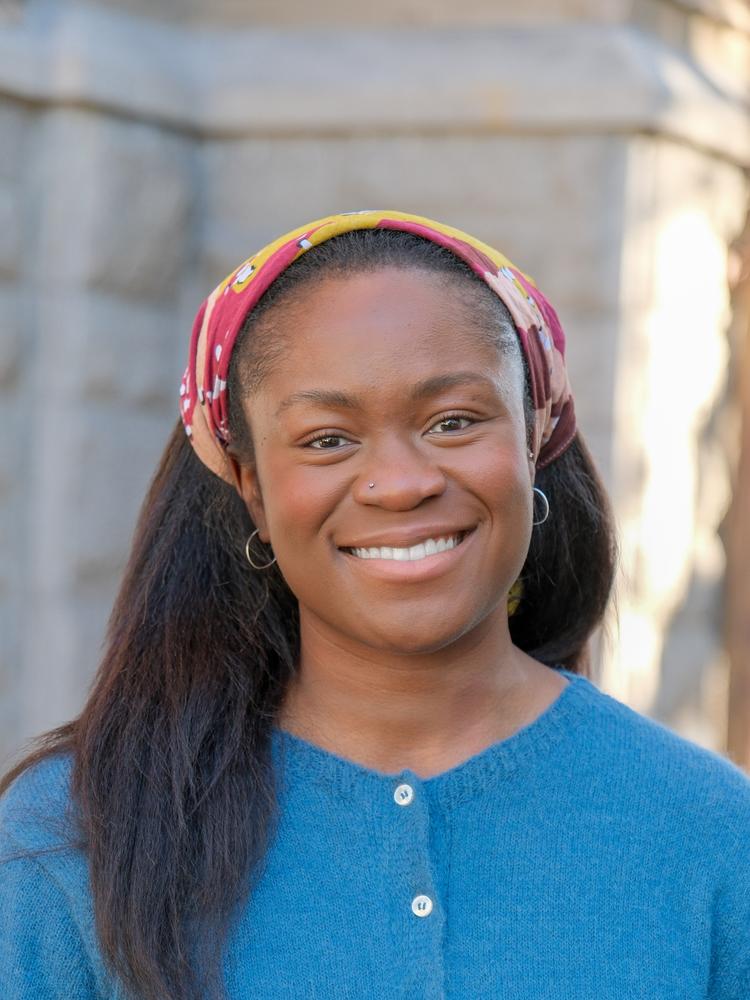
Seyi Olojo is a critical information studies scholar who studies epistemic cultures in computing. Her work situates natural language processing as a sociotechnical practice that mediates hierarchies of power within a global political economy of AI. Seyi’s dissertation investigated the politics of digitizing and mechanizing African languages, where African language communities hold visions for language revitalization and cultural preservation. Her research has been published in Information, Communication & Society; Frontiers of Psychology; the ACM Conferences on Computer-Supported Cooperative Work & Social Computing (CSCW); Fairness, Accountability, and Transparency (FAccT); and Equity and Access in Algorithms, Mechanisms, and Optimization (EAAMO). She received her Ph.D. from the School of Information at the University of California, Berkeley and her research has been supported by the National Science Foundation, the Eugene Cota-Robles Fellowship, the US Fulbright Program, and the Weizenbaum Institute for the Networked Society.
Shira Zilberstein
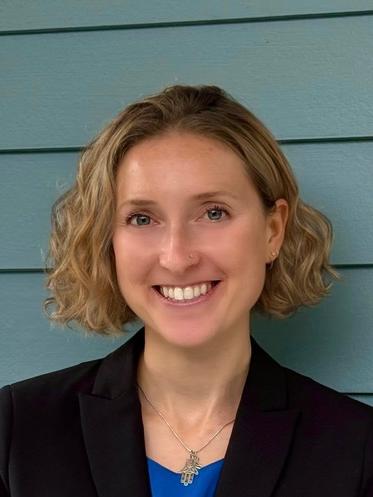
Shira Zilberstein is a sociologist whose research investigates the moral and organizational foundations of knowledge production, with particular attention to how science and technology are used to define and address social problems. Her current work focuses on the development and governance of AI models for healthcare. Using qualitative methods, she studies how researchers and practitioners justify and seek to ensure the social value of their work. She is especially interested in how research communities navigate uncertainty and sustain commitments to technological innovation even in the face of contested outcomes and limitations.Shira holds a Ph.D. in sociology from Harvard University, where she was a Science and Technology Studies Fellow and a BA in sociology and history from Northwestern University. Her research has been supported by the National Science Foundation, the American Sociological Association, the Russell Sage Foundation, and the National Academies of Sciences, Engineering, and Medicine, among others. She has collaborated with researchers at MIT, Duke, and Yale on projects related to the development and governance of healthcare AI. At Princeton, she is also affiliated with the Princeton Societal AI Initiative.
2026 CITP Emerging Scholars
Rohan Dandavati
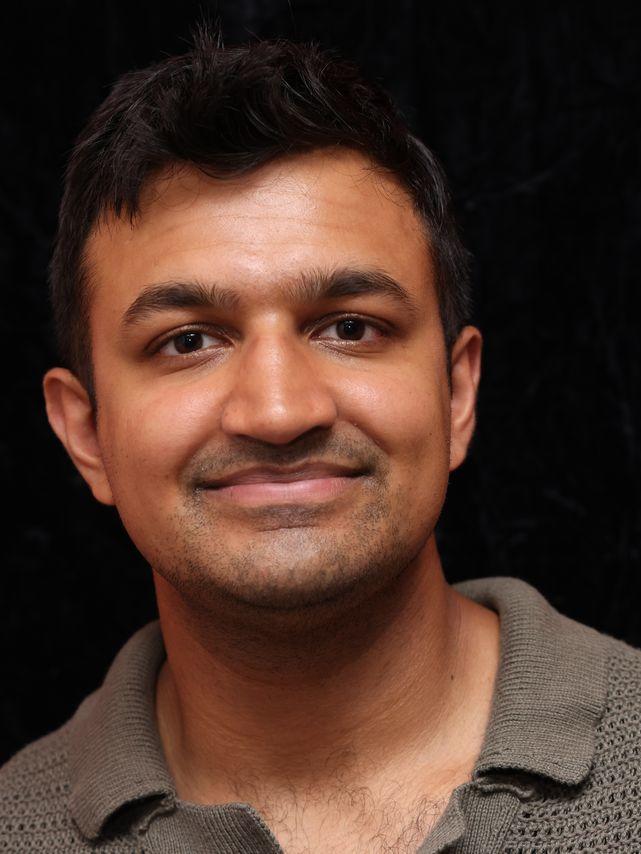
Rohan Dandavati is a researcher studying black-box algorithmic systems. He is interested in algorithmic bias and how technology can influence existing social inequalities. Before joining CITP, he worked as a software engineer at Desmos and Google, where he helped develop tools to make math education more accessible. He holds a bachelor’s in mathematics and a master’s in computer science from the University of Chicago.
Bradley Moorehead
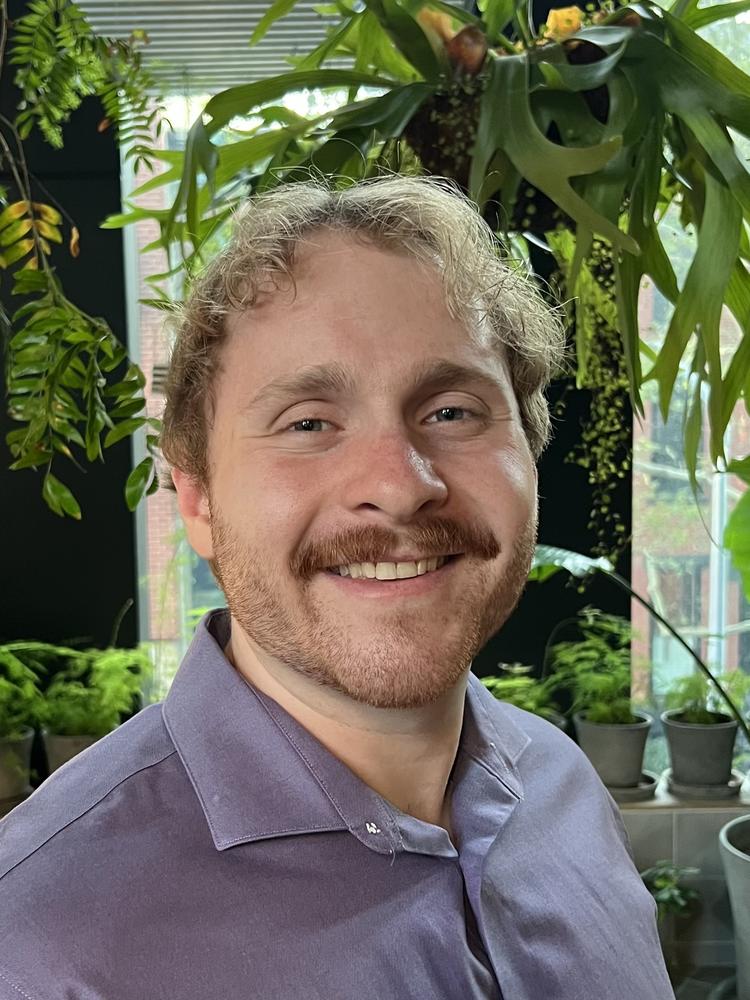
Bradley Moorehead is a researcher and engineer who is interested in responsible artificial intelligence. He received a B.S.E. in Operations Research and Financial Engineering from Princeton University with a certificate in Statistics and Machine Learning and wrote his senior thesis on neural style transfer for music. Prior to joining CITP, Moorehead worked at IBM as a data scientist.
Tanvi Prem
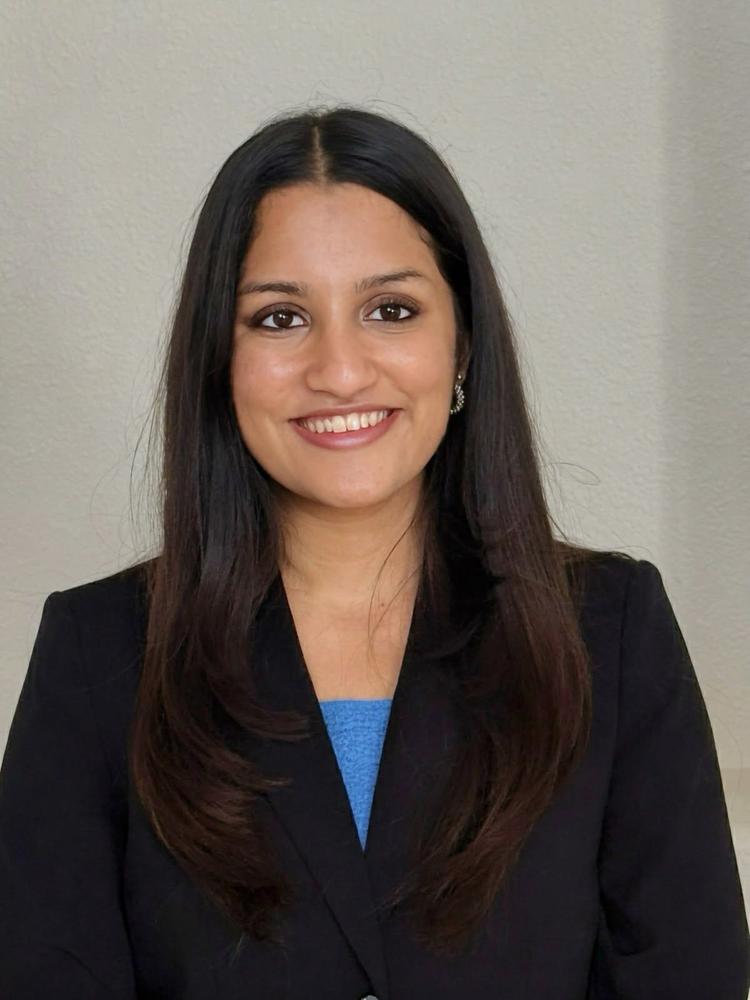
Tanvi Prem is a researcher interested in how AI and digital platforms shape public trust and democratic participation. Her undergraduate thesis used the Meta Ad Library API to analyze religious political ad messaging during the 2024 U.S. presidential election, earning First Place at Columbia University’s NSDC Data Science Symposium and a presentation at the National Communications Association Conference. She has also conducted research on generative AI, computational propaganda, and elections through UT Austin’s Propaganda Research Lab and as an NSF Research Fellow at Syracuse University. Previously, she interned at the Center for Democracy & Technology, where she worked across privacy, civic tech, free expression, AI governance, and content moderation policy. She received a B.S. in communications and leadership, with minors in business, public policy, and informatics, from the University of Texas at Austin, graduating summa cum laude. At CITP, she aims to work on AI governance, digital infrastructure, and platform accountability.
Leave a Reply